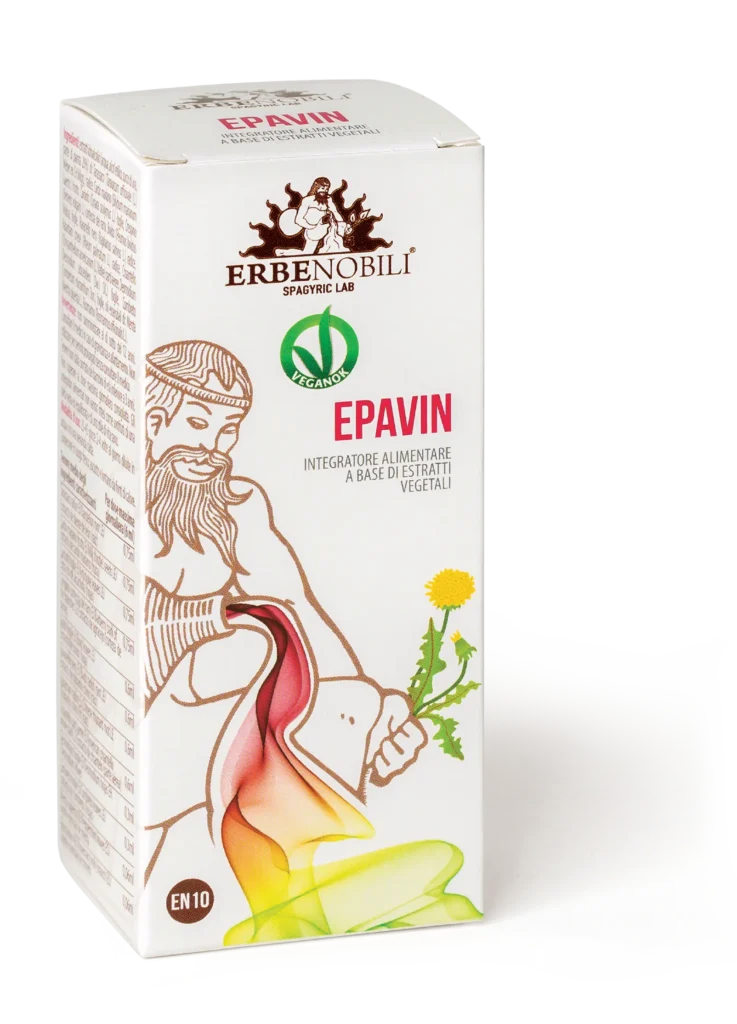
Dietary supplement made from plant extracts, particularly Taraxacum Officinalis, Milk Thistle, Artichoke and Berberis Vulgaris, combined to support the natural functions of the liver.
…however, supplementation with phytoextracts with a depurative,
choleretic and cholagogue action is recommended…²
KEY BENEFITS
The Patented Spagyric Process
enhances the effectiveness of phytoextracts through a unique method of
separation – ENHANCEMENT – RECOMBINATION
of plant actives.
SPAGYRIC PLANT EXTRACTS
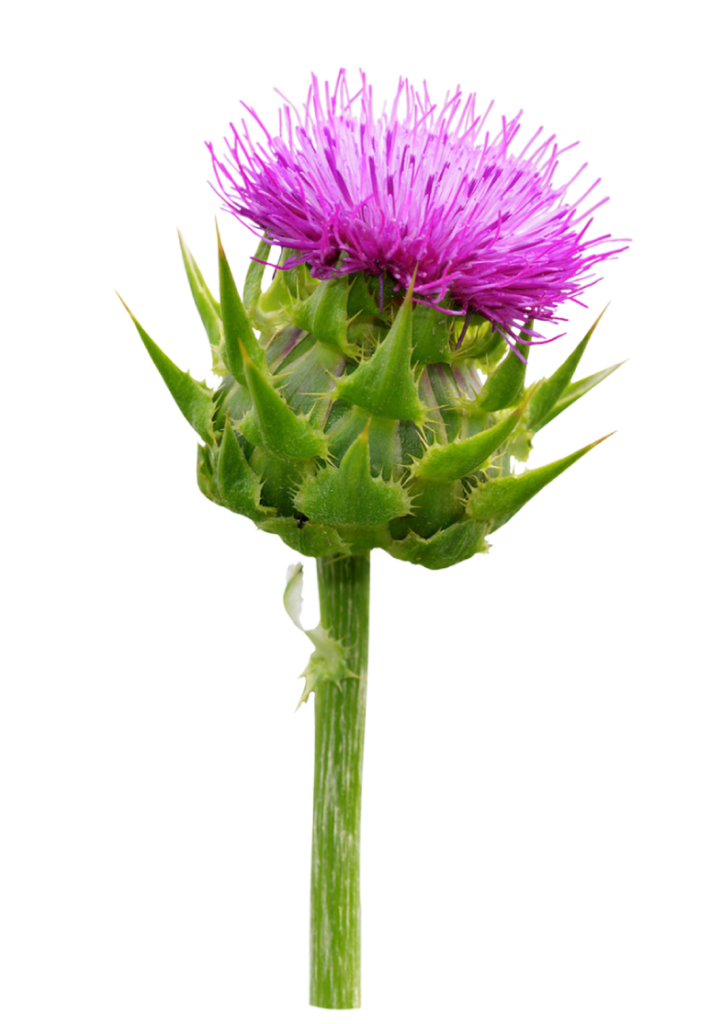
Milk Thistle
Stabilizes liver cell membranes
Protects against toxic agents
Stimulates hepatocyte protein synthesis
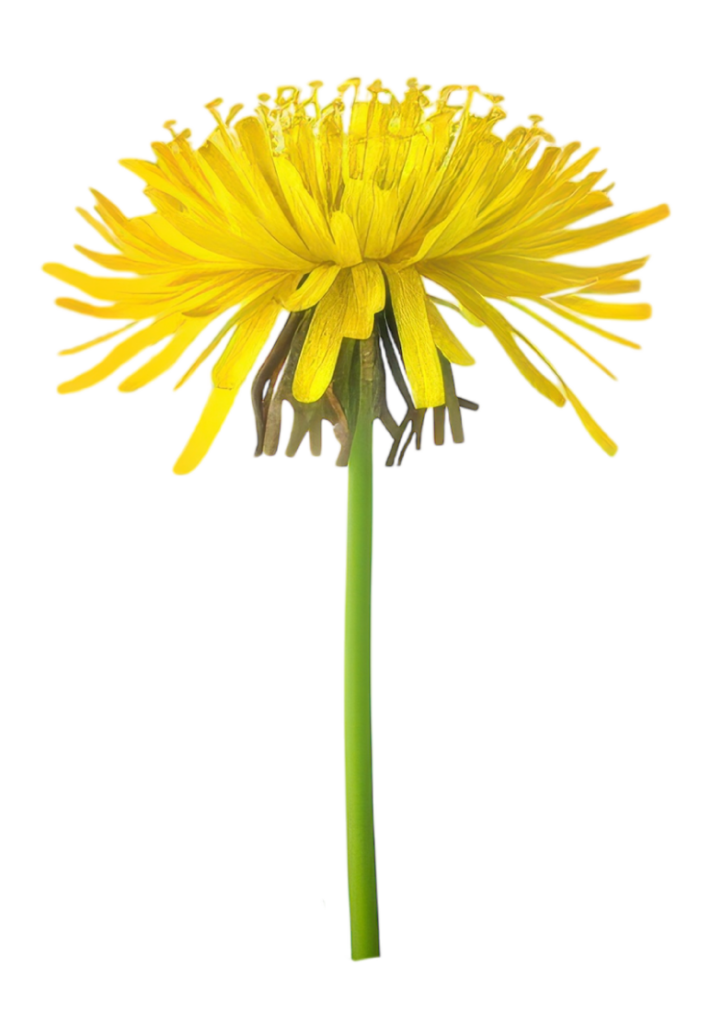
Taraxacum officinalis
Stimulates renal receptors
Promotes bile acid secretion (choleretic effect)
Supports lipid digestion
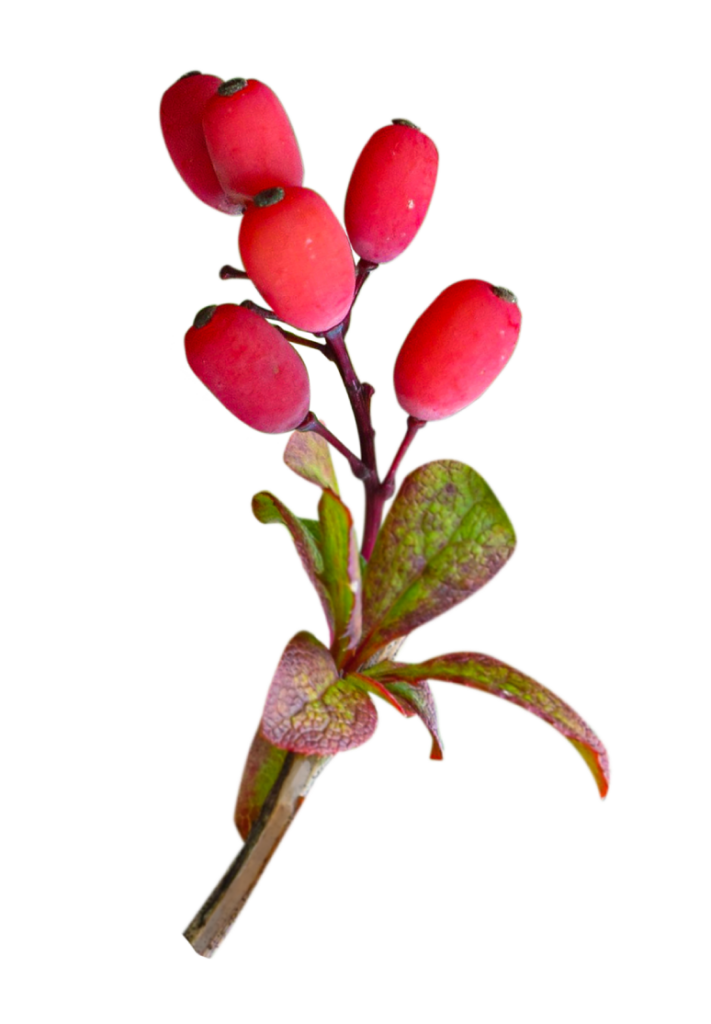
Berberis vulgaris
Supports metabolic regulation
Enhances glucose uptake and helps reduce blood sugar levels
Alters bacterial membranes for antimicrobial support
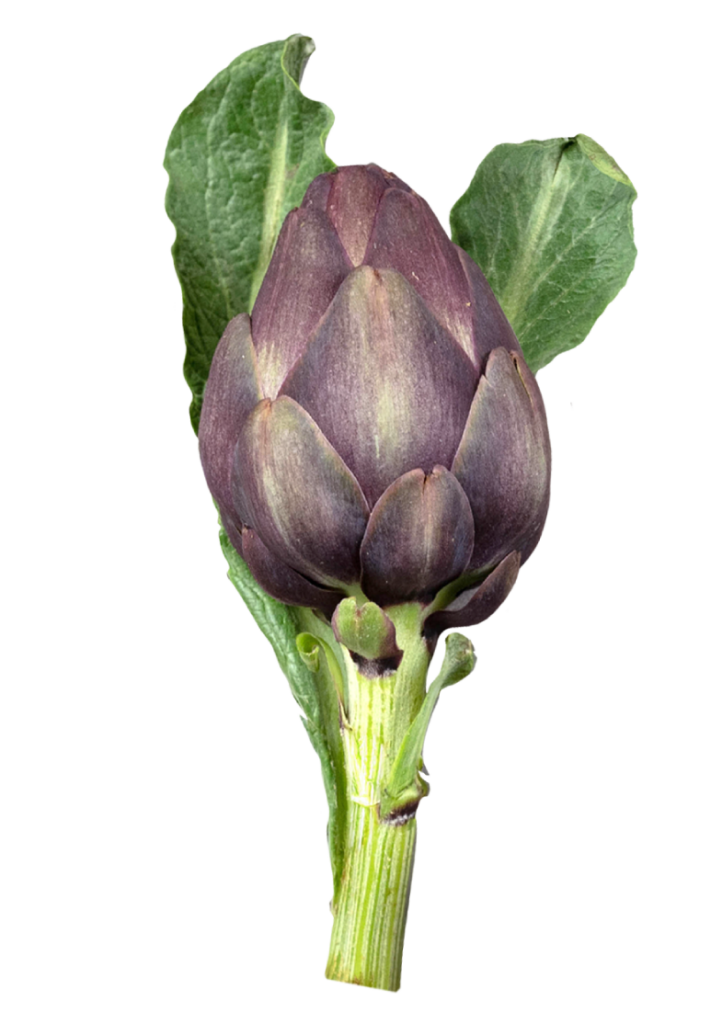
Artichoke
Increases bile flow (choleretic action)
Helps reduce endogenous cholesterol by inhibiting the HMG-CoA reductase enzyme
10 FUNCTIONAL PHYTOEXTRACTS
FROM SPAGYRIC MOTHER TINCTURES
in UNIQUE FORMULATION³
Promotes healthy liver function
Enhances the effectiveness of metabolic therapies
Aids multiple digestive processes
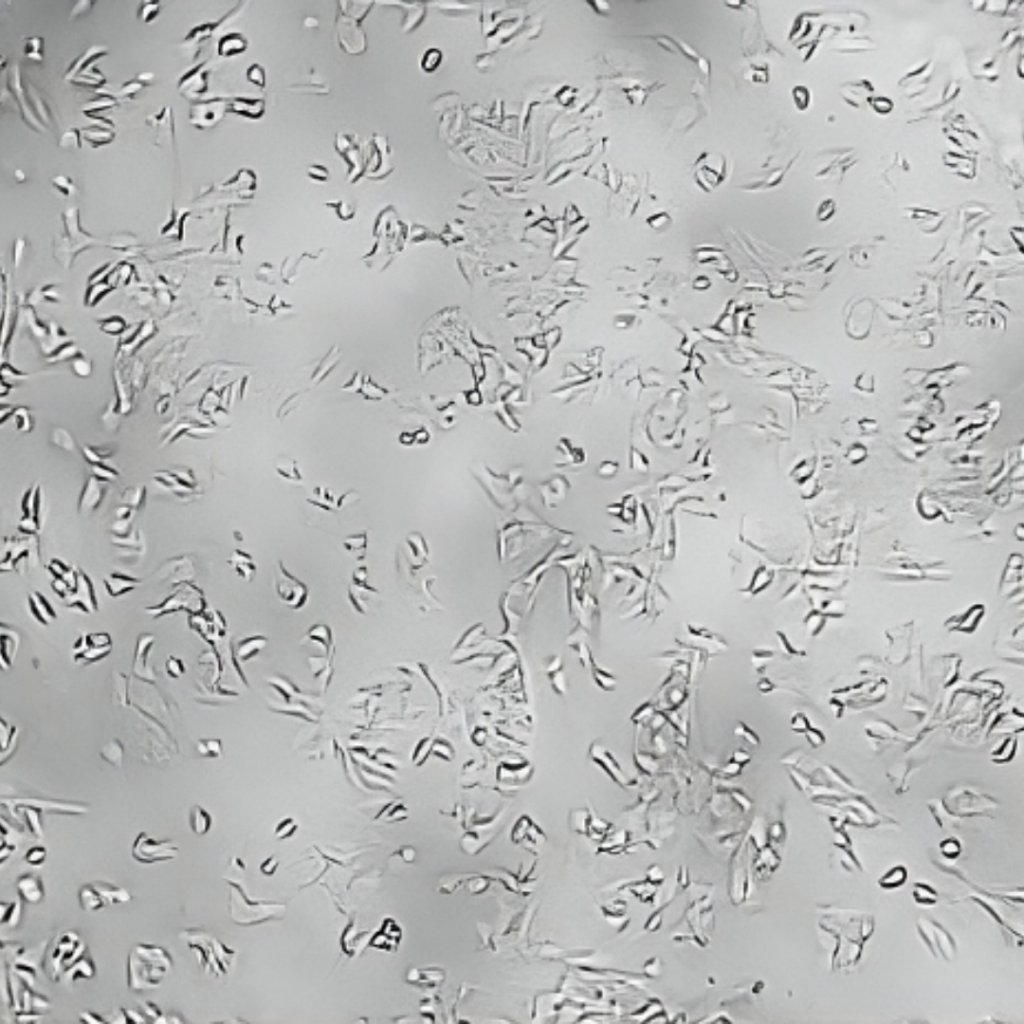
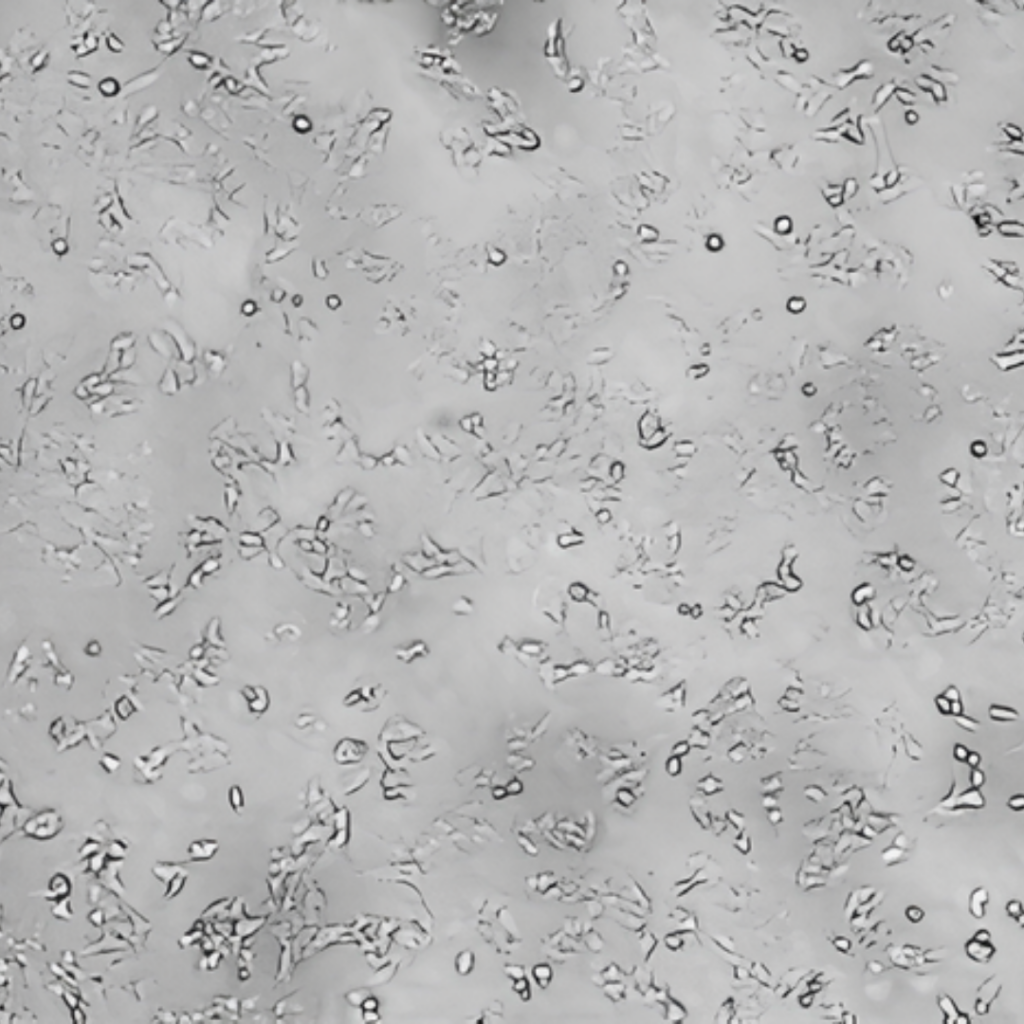
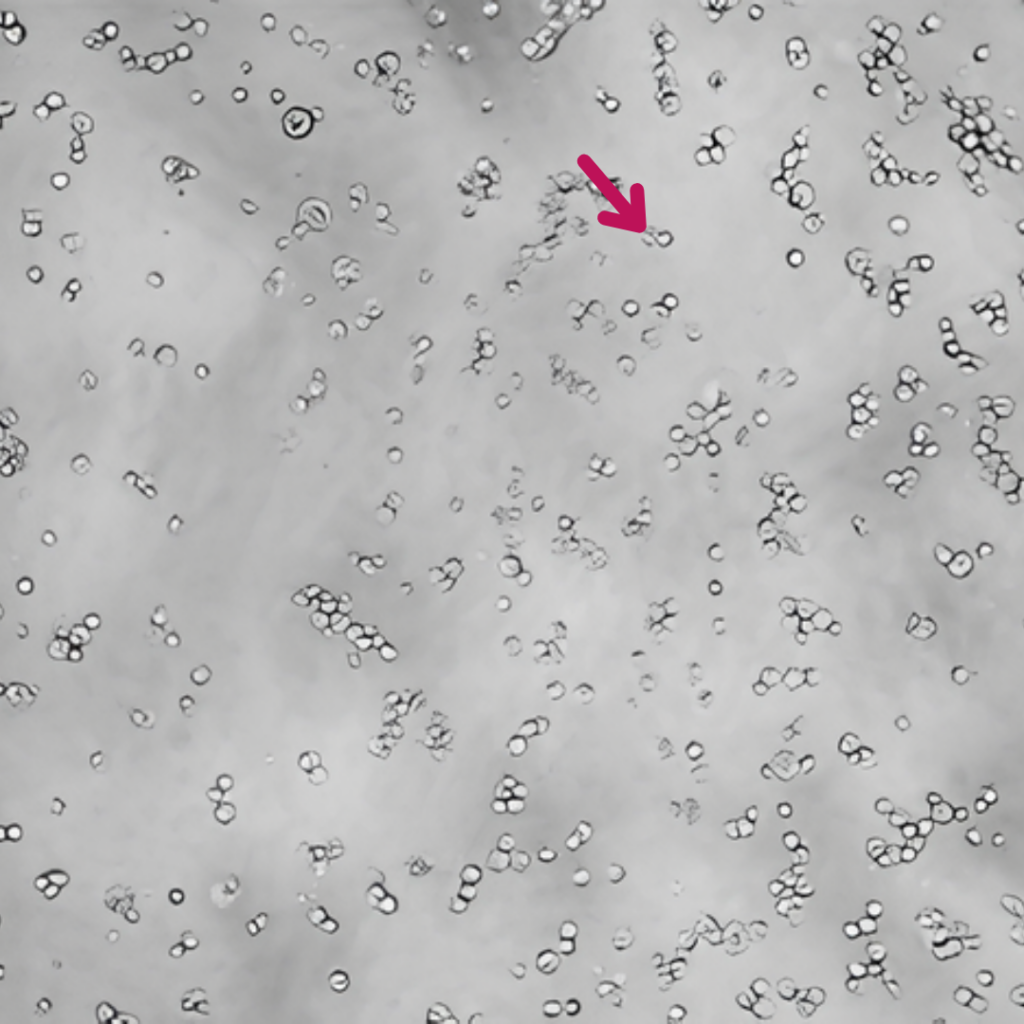
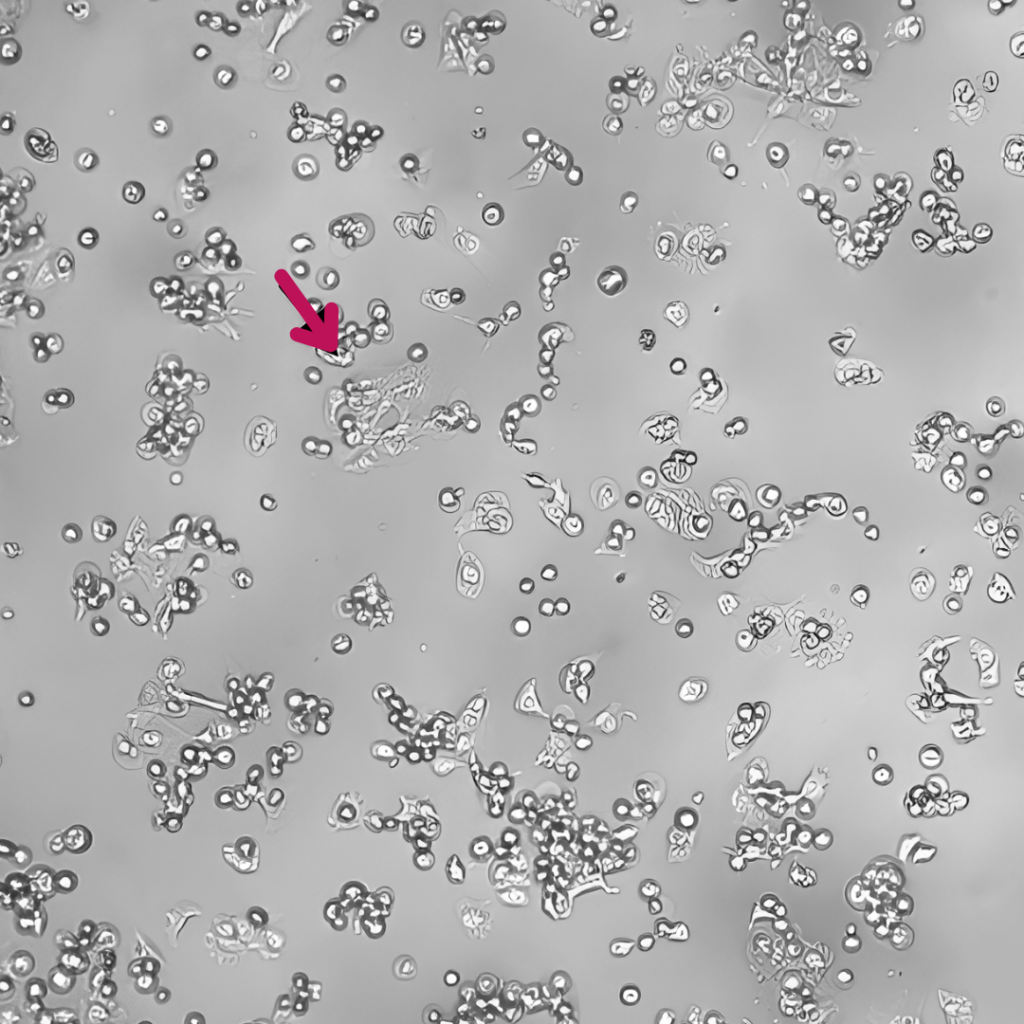
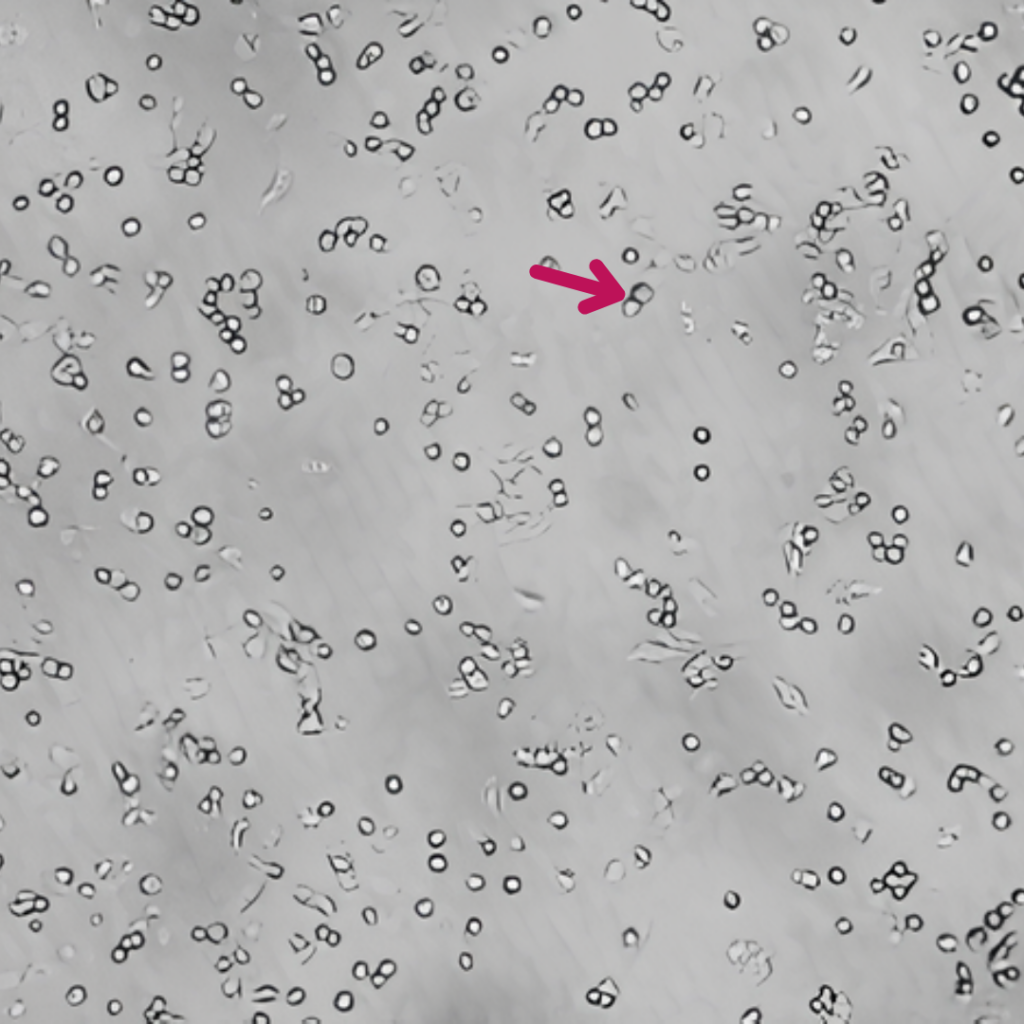
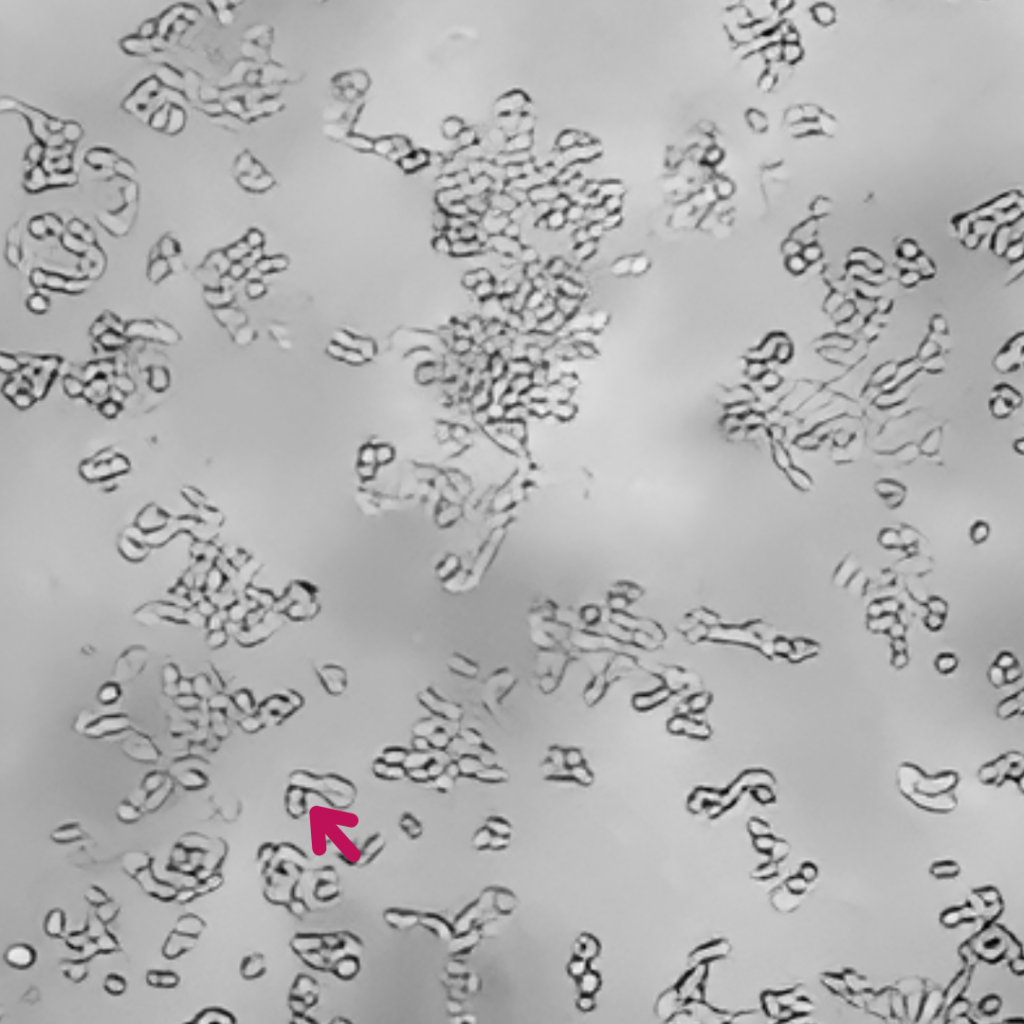
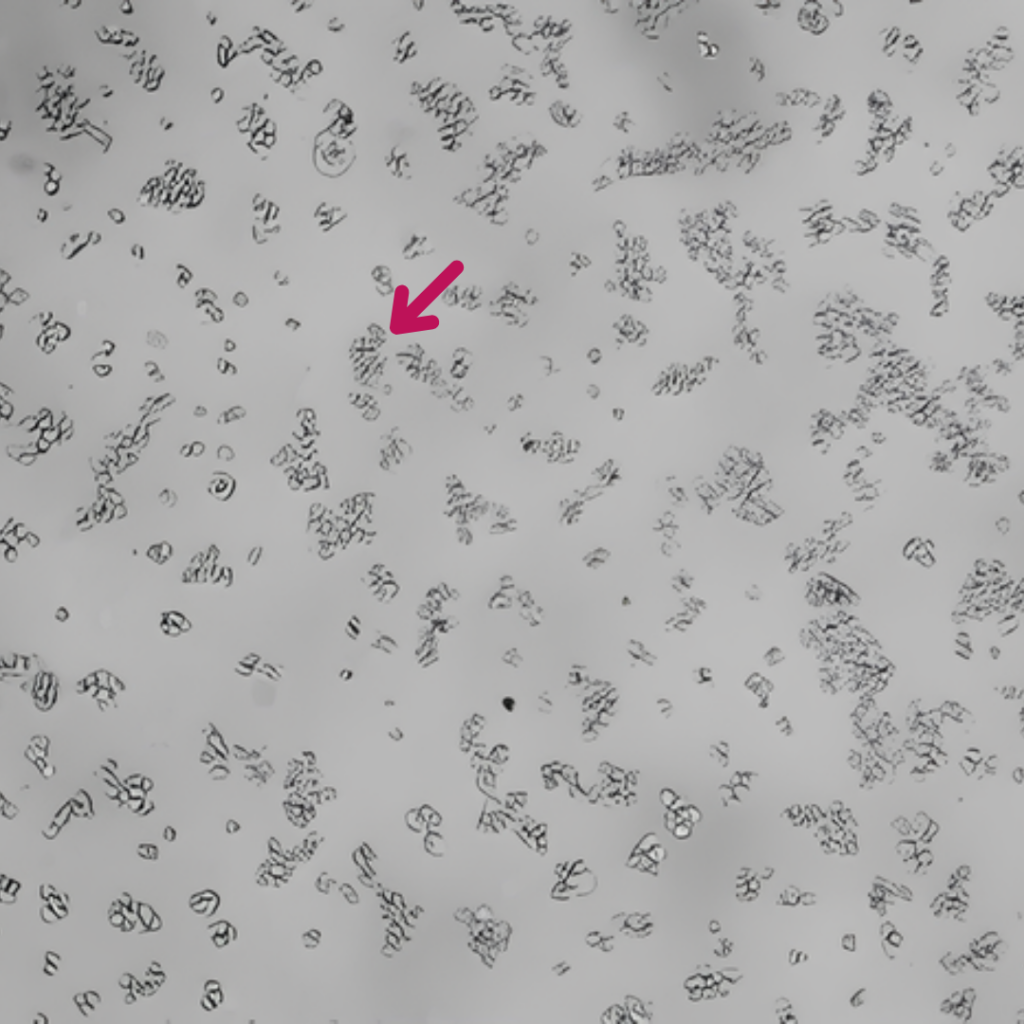
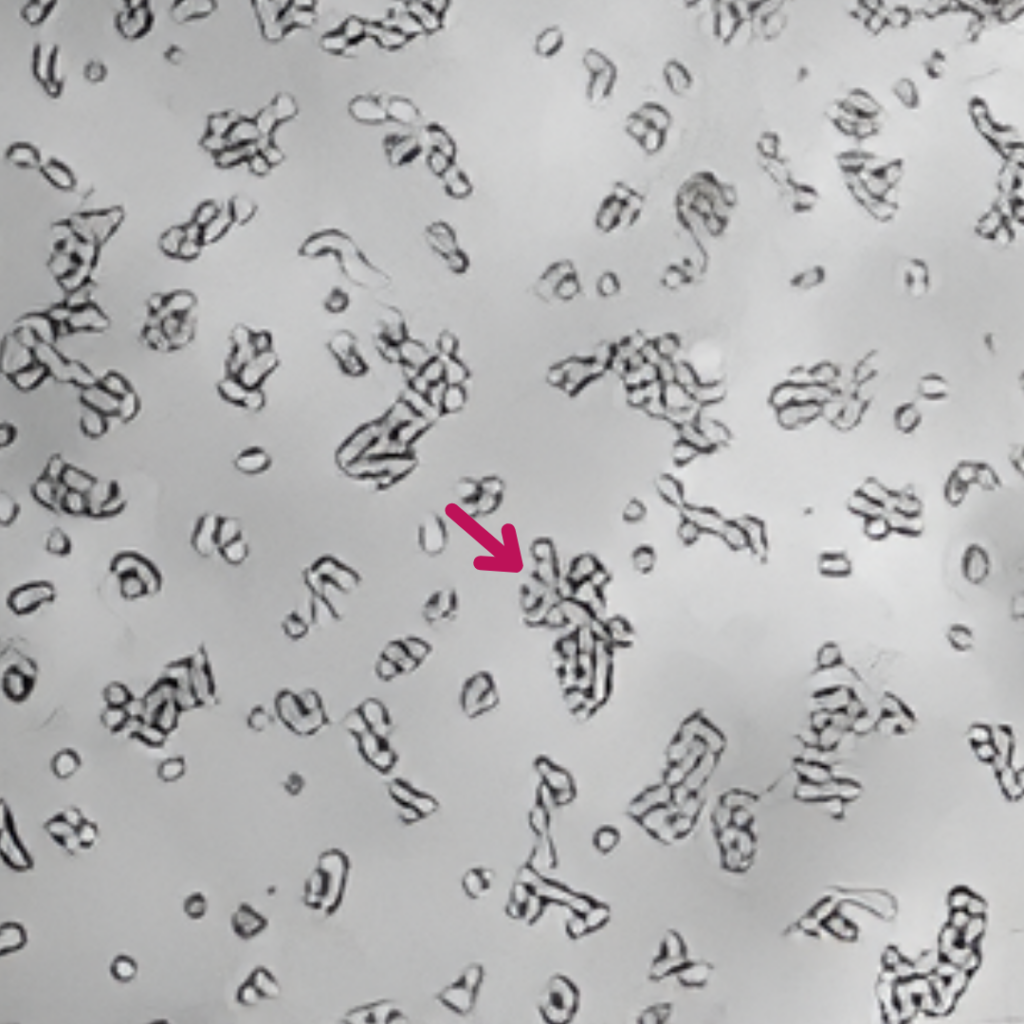
Provides chelating action against heavy metals⁷
CTRL
Epavin 500 μg/mL
Epavin 500 μg/mL
+
Cd2+ 30 μM
Epavin 500 μg/mL
+
Hg2+ 30 μM
Pb2+ 30 μM
Epavin 500 μg/mL
+
Pb2+ 30 μM
THE ADVANTAGES
OF THE DROPLET FORMULATION:
HOW TO USE
30 drops 2 times a day (1/2 pipette = 30 drops)
WARNINGS
Do not use during pregnancy or breastfeeding
| NUTRITIONAL INFORMATION | |
| Average content of key ingredients |
Per maximum daily dose (60 drops = 2 ml) |
| Taraxacum officinalis EI | 0.25 ml |
| Milk Thistle fruit EI | 0.25 ml |
| Artichoke leaves EI | 0.25 ml |
| Barberry bark EI | 0.25 ml |
| Boldo leaves EI | 0.2 ml |
| Black Radish EI | 0.2 ml |
| Rhubarb root EI | 0.2 ml |
| Chrysanthemum aerial parts EI | 0.2 ml |
| Desmodium leaves EI | 0.1 ml |
| Combreto leaves EI | 0.1 ml |
| Peppermint | 0.02 ml |
| Rosemary EO | 0.02 ml |
PRODUCT
ALCOHOL-FREE
IN DILUTION:
25 drops in half a glass of water as per test report 23/000389151
SCIENTIFIC BIBLIOGRAPHY: ▸
- Epidemiology and Risk Factors for Nonalcoholic Fatty Liver Disease: A Population-Based Study (2022).
- S. R. Dincer, et al. (2013). “Effects of antioxidant therapy in the treatment of non-alcoholic fatty liver disease.” Hepatitis Monthly, 13(8).
- Market analysis on product carried out through a comparison of NAFLD products present in the Italian Ministry of Health database.
- Choleretic activity and biliary elimination of lipids and bile acids induced by an artichoke leaf extract in rats. Saénz Rodriguez T, García Giménez D, de la Puerta Vázquez R. Phytomedicine. 2002 Dec;9(8):687-93. doi: 10.1078/094471102321621278.
- Functional and Therapeutic Potential of Cynara scolymus in Health Benefits. Porro C, Benameur T, Cianciulli A, Vacca M, Chiarini M, De Angelis M, Panaro MA. Nutrients. 2024 Mar 17;16(6):872. doi: 10.3390/nu16060872.
- Berberine in Non-Alcoholic Fatty Liver Disease-A Review. Koperska A, Wesołek A, Moszak M, Szulińska M. Nutrients. 2022 Aug 23;14(17):3459. doi: 10.3390/nu14173459.
- “Protective activity of Epavin, new comparisons of toxicity and oxidative stress induced by heavy metals” – Uniba – Department of Pharmacy, Pharmaceutical Sciences – July, 2025.
Download now
Subscribe to download the PDF of the scientific study conducted on EPAVIN.